
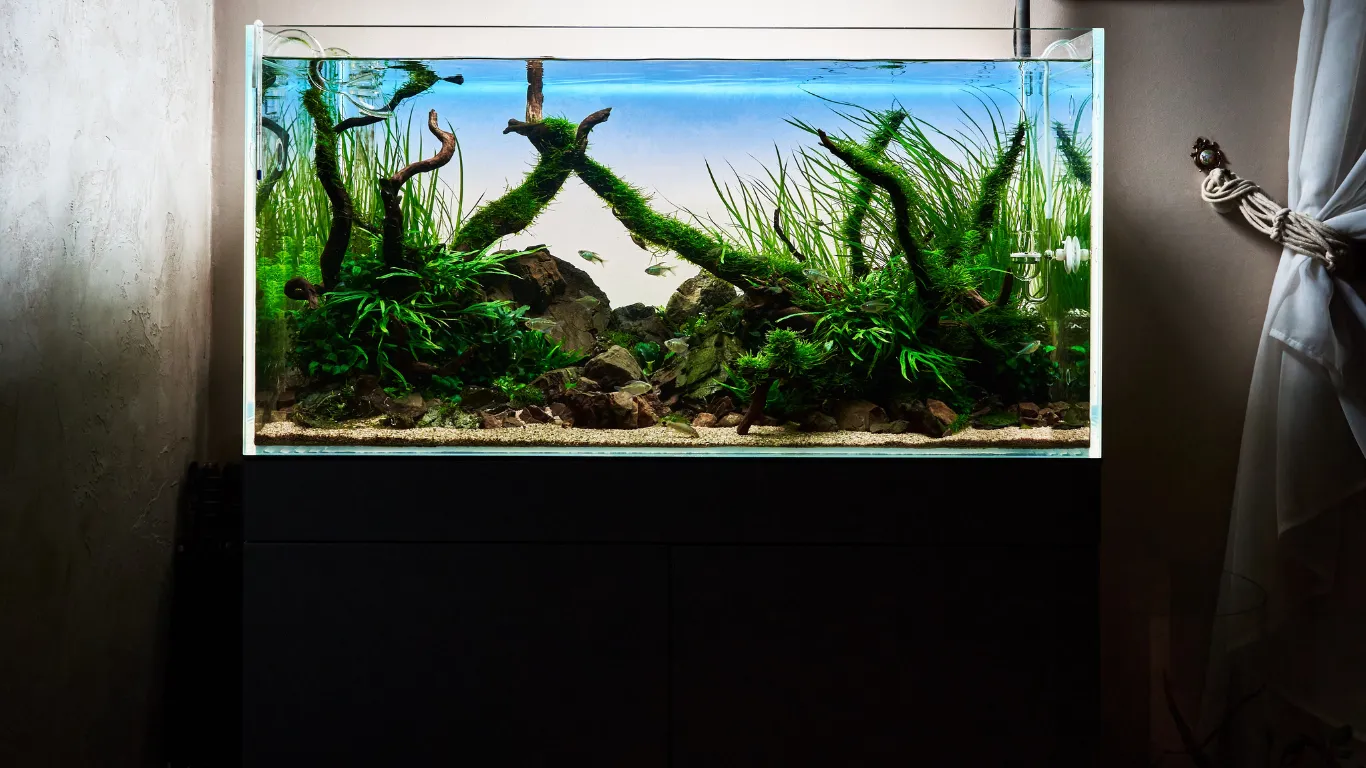
Mastering the Art of Aquascaping: Essential Tips for a Stunning Aquarium
Understanding the Basics of Aquascaping
Aquascaping is not just about adding water and fish to a tank; it’s an art form that combines creativity and science. A beautifully designed aquascape can transform an empty space into a vibrant underwater landscape. Let’s dive into the essentials of aquascaping to help you create your perfect escape.
Choosing the Right Aquarium
- Size Matters: The size of your aquarium will depend on the space available and the type of fish you want to keep. Larger tanks are often easier to maintain due to better water stability.
- Shape Variety: Consider different shapes like rectangular, cube, or tall tanks. Each shape offers unique design possibilities.
Key Elements of Aquascaping
Every stunning aquarium starts with a few key components:
1. Driftwood
Driftwood not only adds aesthetic value but also provides hiding spots for fish. Here are some tips:
- Choose dried driftwood that is safe for aquarium use.
- Soak driftwood to remove tannins before placing it in your tank.
- Experiment with different shapes and sizes to create natural-looking formations.
2. Substrates
The substrate is the foundation of your aquascape. Options include:
- Gravel: Budget-friendly and easy to clean.
- Sand: Ideal for species like burrowing fish.
- Aquatic Soil: Excellent for planted tanks to support root growth.
3. Aquatic Plants
Plants play a crucial role in creating a healthy ecosystem. Here are some beginner-friendly plants:
- Anubias: Low light and low maintenance, perfect for beginners.
- Java Fern: Grows well in various conditions and can be attached to driftwood.
- Cryptocoryne: Adds color and texture to the foreground.
Design Styles to Explore
Different aquascaping styles can dramatically change the look of your tank:
- Nature Aquarium: Mimics natural landscapes with a focus on plants and rocks.
- Iwagumi: Uses stones as the main focal point, promoting simplicity and harmony.
- Biotope: Creates a specific habitat, showcasing native fish and plants.
Maintenance Tips for a Healthy Aquarium
Once your aquascape is complete, regular maintenance will keep it looking its best:
- Perform partial water changes every 1-2 weeks to remove toxins and maintain water quality.
- Monitor the growth of plants; trim them as needed to prevent overgrowth.
- Check for algae; consider adding snails or shrimp to help manage it.
Conclusion
Creating a stunning aquascape is a rewarding journey that requires patience and creativity. By understanding the basic elements and styles of aquascaping, along with consistent maintenance, you can transform your aquarium into a beautiful underwater sanctuary. Dive into the art of aquascaping today and let your creativity flow!